
Shotguns
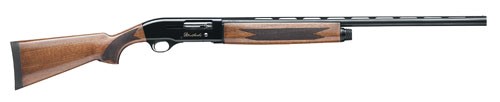
Weatherby SA08 SA 12 Gauge 28" 3" Walnut Polished Blued Barrel
WHBY SA-08 DLX 12GA 28" B SEMI
Commercial Listings
Showing current shotguns options and featured models.
80 products found
Showing 1-21 of 80 (Page 1 of 4)
Shotguns
WHBY SA-08 DLX 12GA 28" B SEMI
Shotguns

BER A400 XPLR ACT 12GA 28" KO
Shotguns
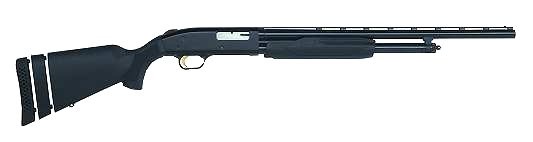
Mossberg, 500, Super Bantam Comp
Shotguns
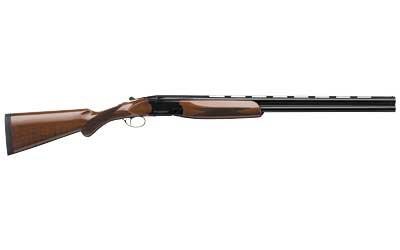
Weatherby Orion 1 Over Under Sho
Shotguns
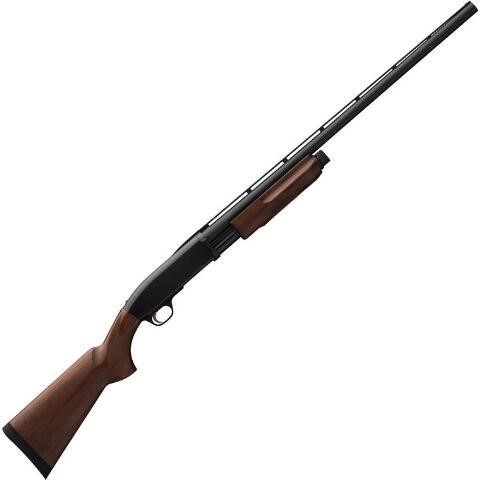
BRWN BPS MAT HTR 12GA 28" B PUMP
Shotguns

Weatherby, Orion, Sporting, Over
Shotguns

Browning 018110303 Citori CXS Ov
Shotguns
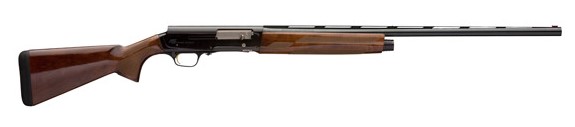
BRWN A5 SWT 16 16GA 28" DS
Shotguns
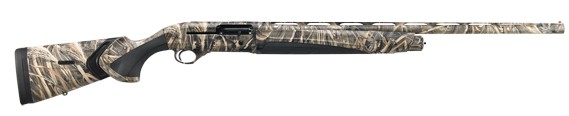
Beretta, A400 XTREME PLUS KO OPT
Shotguns

BER A400 ACT KO 12GA 26"
Shotguns
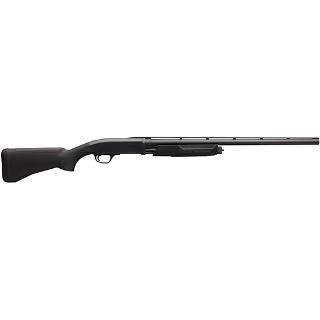
BRWN BPS FLD 12GA 26" COMP
Shotguns
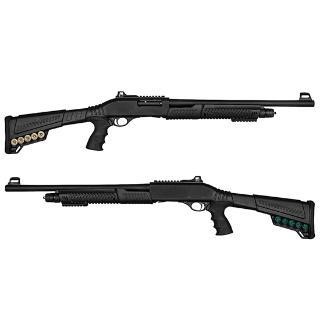
SDS RADIKAL P3 12GA 18.5" 5RD
Shotguns
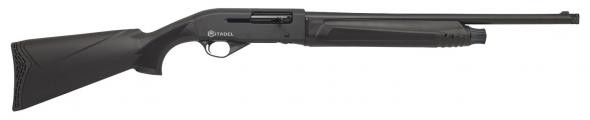
Citadel, Boss Hog, Semi-Auto, 12
Shotguns
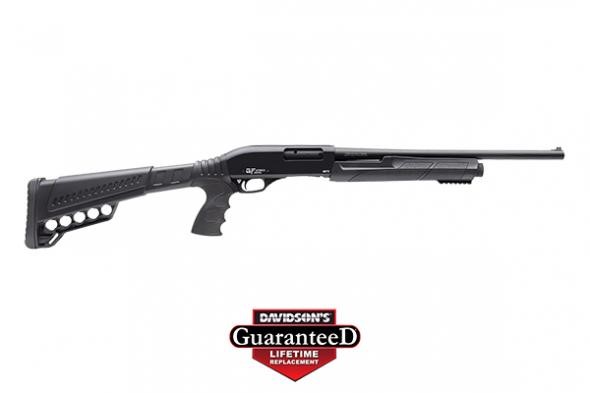
GFA GFPG3 12GA 20" PG 4RD
Shotguns

BRWN C HTR GRII 410GA 3" 28"
Shotguns

Winchester SXP Pump 12ga 22" 4+1
Shotguns

WIN SXP FLD 12GA 3" 28"
Shotguns

WIN SXP BLK SHD 20GA 3" 22"
Shotguns

SAV 212SLUG 12GA 22" BLK 2RD
Shotguns
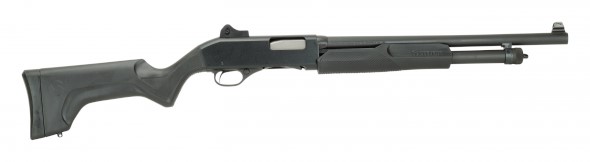
SAV STV 320 SEC 12GA 18.5" GR
Shotguns
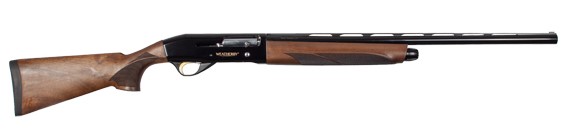
WHBY ELEMENT UP 20GA 28"
Showing 1-21 of 80 (Page 1 of 4)
Showing 1-21 of 80
(Page 1 of 4)
Shotguns are the most versatile long guns ever designed — capable of hunting everything from upland birds to whitetail deer, anchoring a home defense plan, or putting clay targets out of the sky on a sporting clays course. The combination of gauge, action type, choke, and ammunition makes the shotgun uniquely adaptable to almost any shooting application.
12 gauge is the most popular shotgun gauge in the world — it offers the widest selection of ammunition, the most choke options, and the highest versatility across hunting and defensive applications. 20 gauge is lighter, produces less recoil, and is excellent for youth shooters, upland bird hunters, and those who find 12 gauge recoil uncomfortable — modern 20 gauge loads are highly effective for most hunting applications. .410 bore is the smallest common gauge and is best suited for experienced clay target shooters or small game hunting; it is not recommended as a first shotgun due to its small shot payload and demanding pattern at range.
Pump-action shotguns (Mossberg 500, Remington 870) are mechanically simple, highly reliable, and affordable — they are the most recommended platform for home defense and hunting on a budget. Semi-automatic shotguns cycle with gas or recoil operation, reducing felt recoil and allowing faster follow-up shots — popular for waterfowl, turkey, and sporting clays. Break-action shotguns (single-shot or side-by-side / over-under) are the simplest of all and dominate the clay target sports (trap, skeet, sporting clays) where two shots are the maximum anyway. Over-under shotguns are the choice of competitive clay shooters.
For home defense, an 18–20" barrel pump-action in 12 gauge loaded with #00 buckshot is one of the most effective defensive platforms available. For deer hunting in Pennsylvania (where slugs are required in many counties), a rifled barrel or rifled choke tube is recommended for sabot slugs to maximize accuracy. Waterfowl hunters need non-toxic shot (steel, bismuth, tungsten) due to federal regulations. Upland bird hunters typically choose improved cylinder or modified choke with #5–#7½ lead shot. Clay target shooters use modified, improved modified, or full choke depending on the discipline and distance.
A choke tube restricts the muzzle end of the barrel to control how the shot pattern spreads at distance. Cylinder (no restriction) gives the widest pattern for close shots. Improved Cylinder is popular for upland birds and home defense. Modified is the all-around choice for medium ranges. Improved Modified and Full choke are used for longer range hunting (turkey, waterfowl) and trap shooting. Most modern shotguns use interchangeable screw-in choke tubes so you can switch between patterns. Never shoot steel shot through a Full choke — always use a choke rated for steel or non-toxic shot.
Consider what you will use the shotgun for most — if it's multipurpose, a pump-action with a selection of choke tubes covers the most ground. Fit matters significantly in shotguns: length of pull, drop at comb, and cast affect how naturally the gun mounts to your face and how accurately you shoot. Youth and women's models with shorter stocks are worth considering for smaller-framed shooters. Barrel length is primarily a handling preference — shorter barrels (18–22") are more maneuverable, longer barrels (26–30") provide a longer sighting plane preferred by clay target shooters.