
Reloading
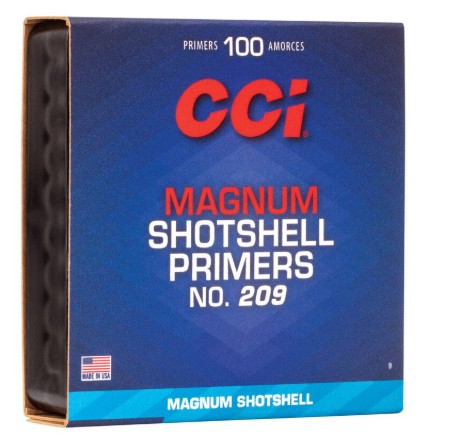
CCI 209M SHOTSHELL PRIMERS 100 CT
CCI 209M SHOTSHELL PRIMERS 100 C
Commercial Listings
Showing current reloading options and featured models.
25 products found
Showing 1-21 of 25 (Page 1 of 2)
Reloading
CCI 209M SHOTSHELL PRIMERS 100 C
Reloading
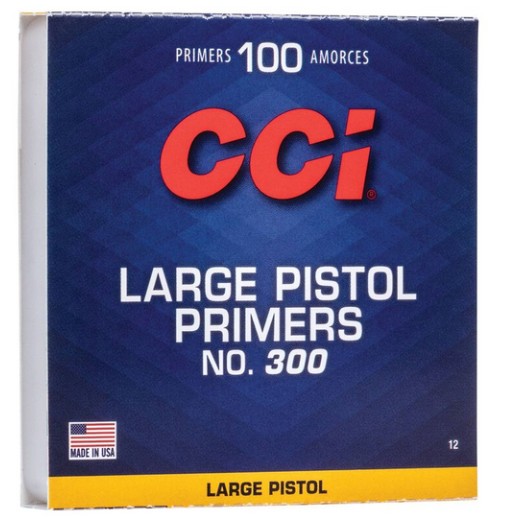
CCI 300 LRG PISTOL PRIMER 100 CT
Reloading
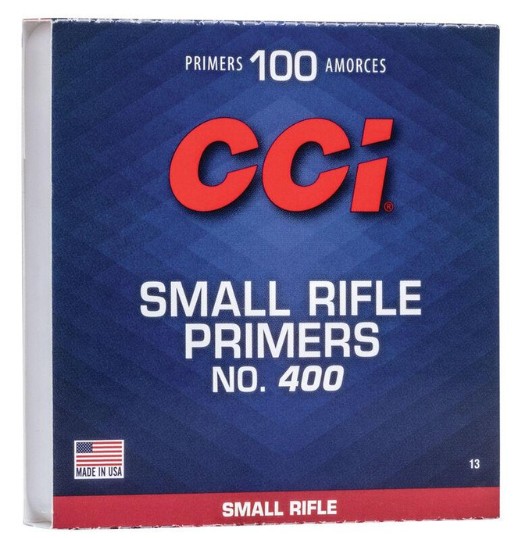
CCI STD 400 SML RIFLE PRIMER 100
Reloading
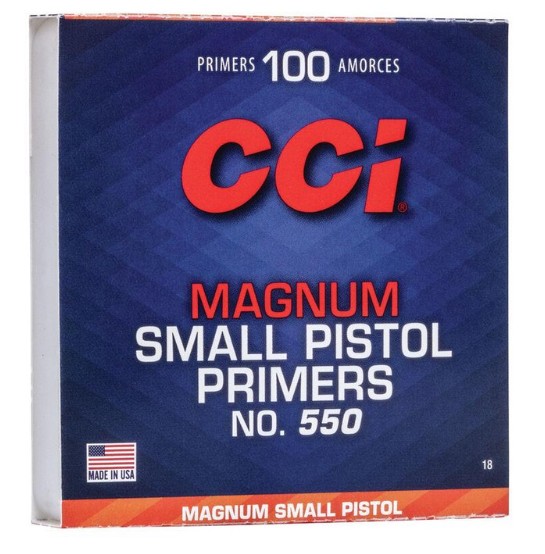
CCI 550 SMALL PISTOL MAGNUM PRIM
Reloading
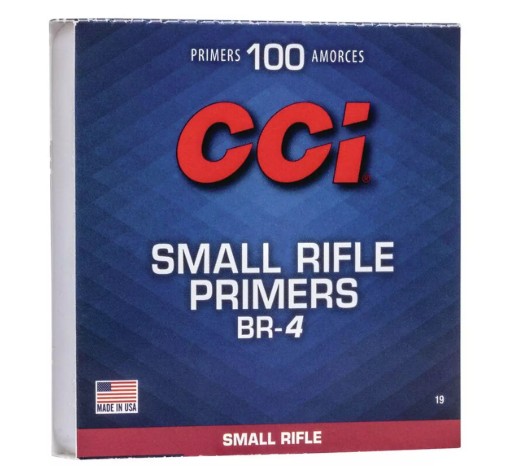
CCI BR-4 SML RIFLE PRIMER 100 CT
Reloading
CCI 209 SHOTSHELL PRIMER 100 CT
Reloading
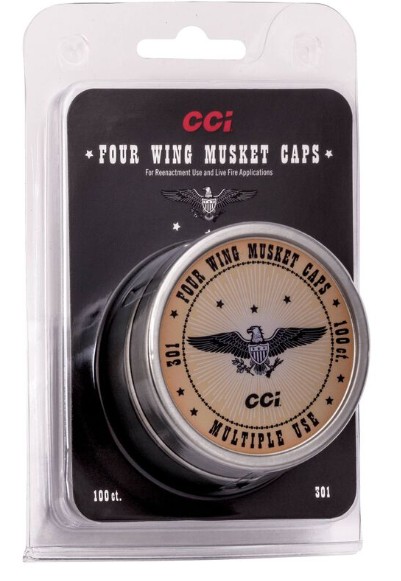
CCI MUSKET CAP 4-WING 100 ct
Reloading
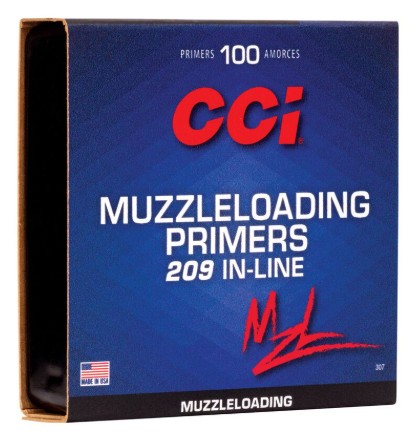
CCI 209 IN LINE MUZZLELOADING PR
Reloading
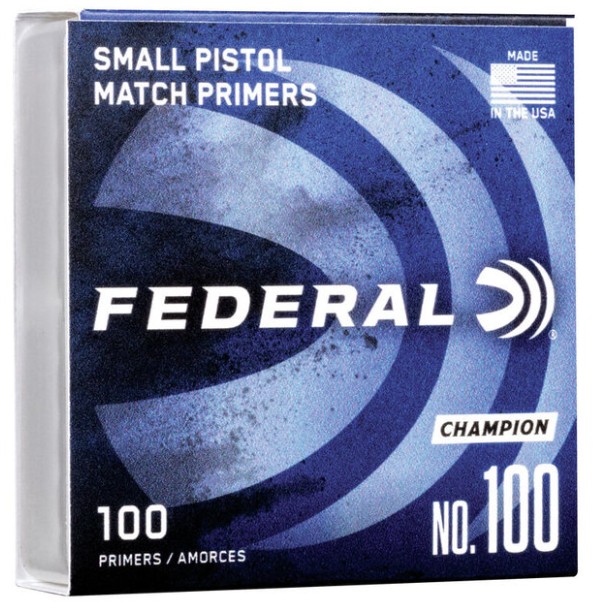
Federal Champion No. 100 Small P
Reloading
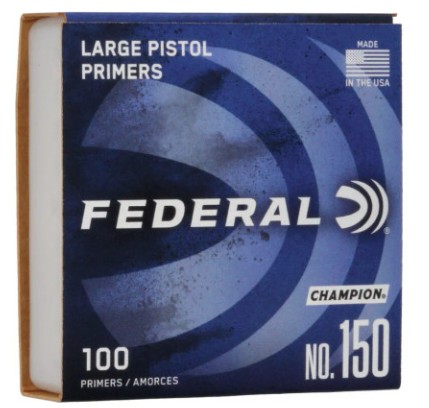
FEDERAL 150 LSRGE PISTOL PRIMERS
Reloading
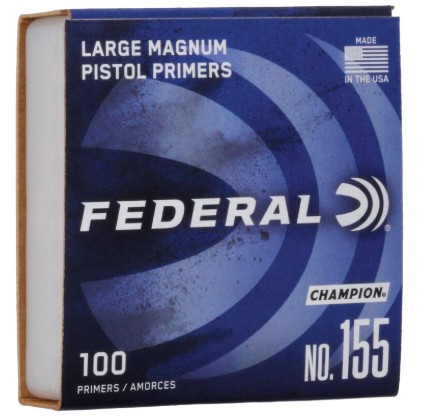
FEDERAL 155 LARGE MAGNUM PISTOL
Reloading
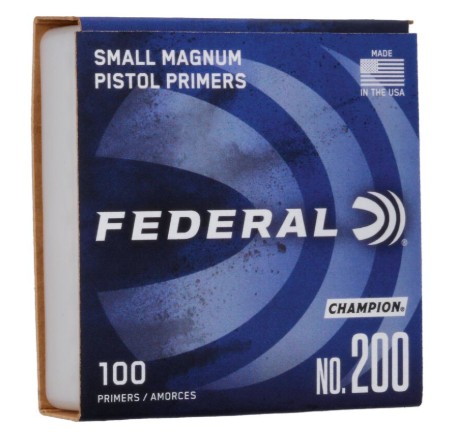
FEDERAL 200 MAGNUM SMALL PISTOL
Reloading
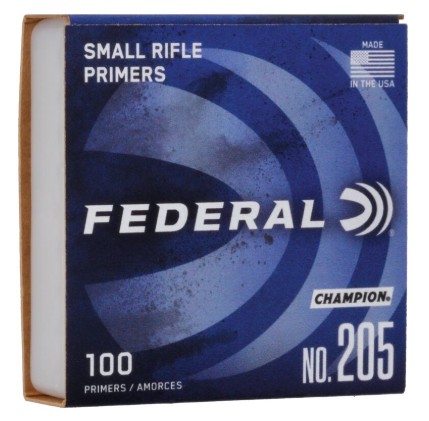
FEDERAL 205 SMALL RIFLE PRIMERS
Reloading
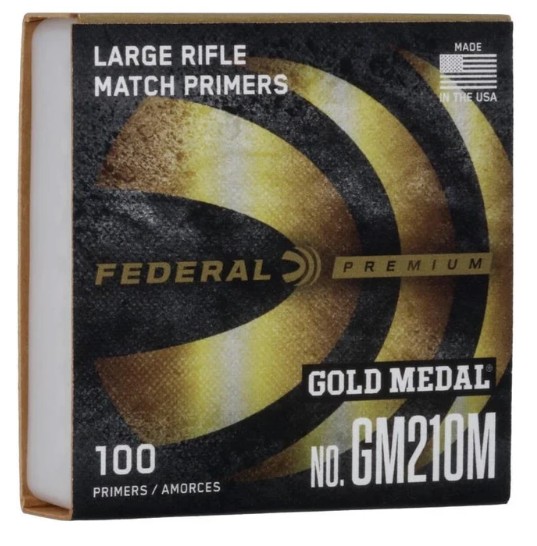
Gold Medal Centerfire Primer .21
Reloading
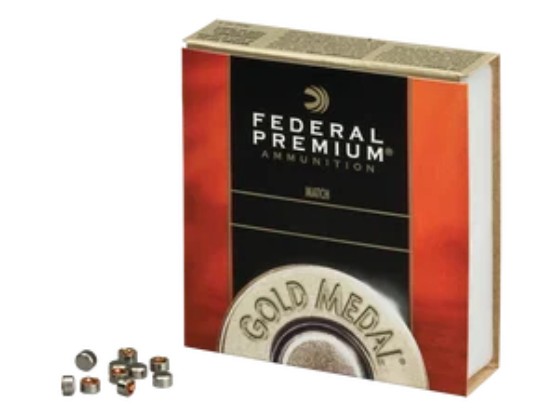
Federal Premium Gold Medal Match
Reloading
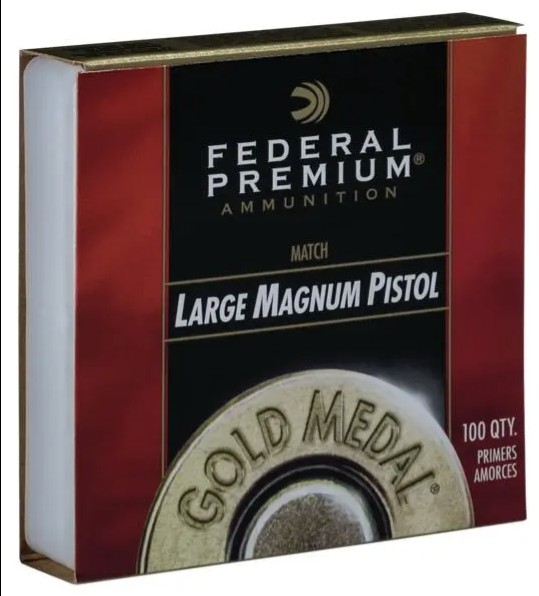
Federal Gold Medal Centerfire La
Reloading
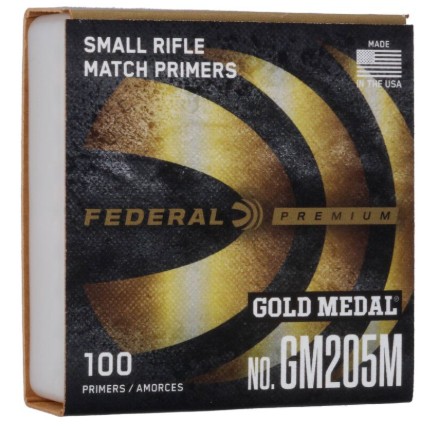
FEDERAL GM205M MATCH SMALL RIFLE
Reloading
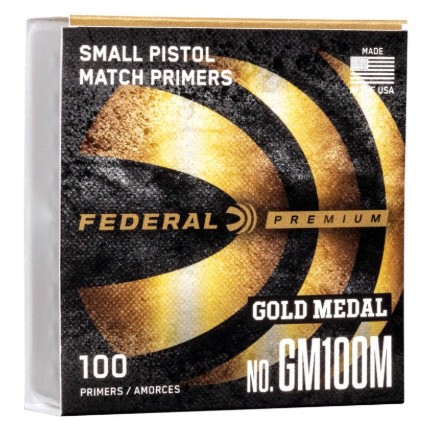
FEDERAL GM100M MATCH SMALL PISTO
Reloading
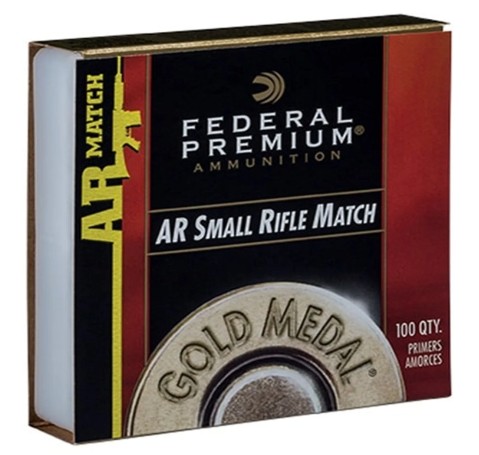
Federal Gold Medal AR Centerfire
Reloading
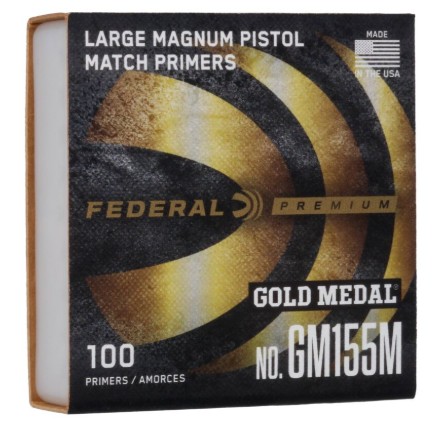
FEDERAL GM215M LARGE MAGNUM RIFL
Reloading
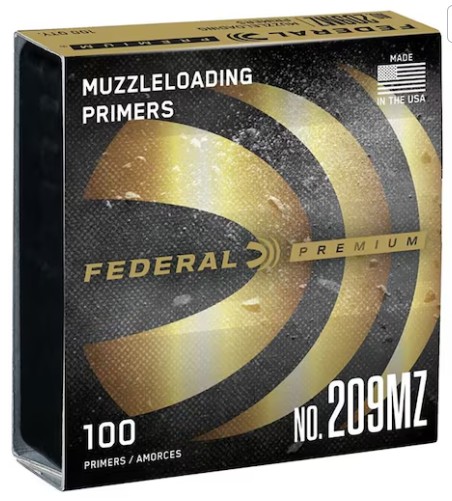
FEDERAL MUZZLELOADING PRIMERS 20
Showing 1-21 of 25 (Page 1 of 2)
Showing 1-21 of 25
(Page 1 of 2)
Handloading your own ammunition allows you to achieve precision accuracy that factory loads cannot match, save money on high-volume shooting, and maintain a supply of ammunition when commercial availability is tight. Reloading requires learning safe practices, investing in equipment, and developing a systematic approach — but for dedicated shooters, it is one of the most rewarding aspects of the sport.
Reloading centerfire cartridges involves five basic steps: case inspection and preparation (cleaning, trimming, primer pocket cleaning), resizing and depriming (reforming the fired case back to spec and removing the spent primer), priming (seating a fresh primer), powder charging (dispensing a precisely measured powder charge), and bullet seating and crimping (seating the projectile to the correct overall cartridge length). Each step requires a specific tool and careful attention to specifications published in a reliable reloading manual. Never skip a step or guess at powder charges — always work from published data.
The core reloading setup includes a reloading press (single-stage for beginners, turret or progressive for high volume), a set of caliber-specific dies, a powder scale and/or powder measure, a case trimmer, a primer seating tool, and brass cleaning equipment (tumbler or ultrasonic cleaner). Single-stage presses (RCBS Rock Chucker, Lee Breech Lock) are the best starting point — they produce consistent, accurate ammunition at a moderate pace and allow you to focus on each step. Progressive presses (Dillon 550/650, Hornady Lock-N-Load) produce a finished round with each stroke of the handle but require more setup and learning.
Reloading brass (the cartridge case) is the most reusable component — quality brass (Lapua, Nosler, Starline) can be reloaded dozens of times with proper care. Primers are caliber-specific (small pistol, large rifle, magnum, etc.) and must match the specifications in your load data. Powder selection dramatically affects velocity, pressure, and accuracy — always use powder and charge weights from a published reloading manual specific to your caliber and bullet combination. Never substitute powders without verified data. Bullets for reloading are sold in bulk (100–500 count boxes) and are available in the same types as factory ammunition: FMJ, hollow point, lead cast, etc.
The most important rule in reloading is to always start at the minimum charge listed in a current reloading manual and work up slowly while watching for pressure signs. Pressure signs include flattened or cratered primers, difficult bolt lift, ejector marks on the case head, and case head expansion. Never exceed maximum published loads. Every firearm has unique characteristics — even two identical models may reach maximum pressure at slightly different charge weights. Use a current edition of a recognized reloading manual (Hornady, Lyman, Sierra, Hodgdon) — do not rely solely on internet sources for load data.
For high-volume shooters, reloading typically reduces per-round cost by 40–60% compared to premium factory ammunition once the initial equipment investment is recovered. A basic single-stage press setup costs $150–$300 and pays for itself in a few thousand rounds. The larger benefit for many precision shooters is accuracy — a handload tuned to your specific rifle with the optimal bullet, powder, and seating depth can significantly outperform even premium factory match ammunition. Competitive shooters in disciplines like long-range precision rifle (PRS), USPSA, and IDPA commonly reload to optimize their loads for their equipment and the rules of their sport.